







Tinubu’s Borrowing Policy Necessary for Infrastructure Development — Group
Tinubu’s Borrowing Policy Necessary for Infrastructure Development — Group
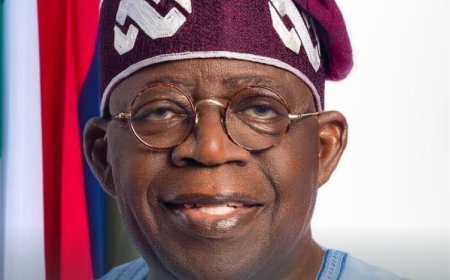
The Democratic Front (TDF) has defended the borrowing policy of the administration of President Bola Ahmed Tinubu, describing it as a strategic response to Nigeria’s infrastructural challenges.
In a statement signed by its Chairman, Mallam Danjuma Muhammad, and Secretary, Chief Wale Adedayo, the group reacted to comments by former Vice President Atiku Abubakar on the Federal Government’s borrowing plans.
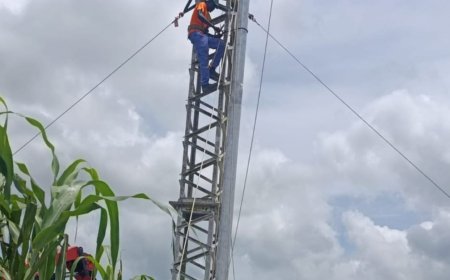
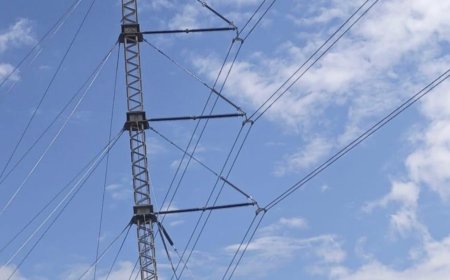
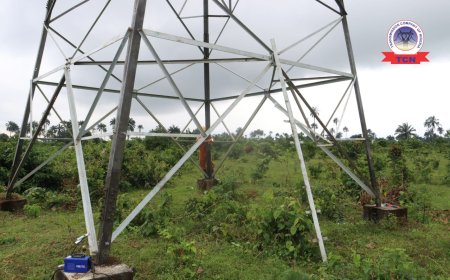
According to TDF, Nigeria requires substantial long-term investment to address its infrastructure deficit, citing a recent analysis by the Independent Media and Policy Initiative (IMPI), which estimated that the country would need at least $14.2 billion annually over a 10-year period to bridge existing gaps.
The group argued that the Tinubu administration’s borrowing decisions were informed by the need to improve infrastructure, stimulate productivity, reduce unemployment, and support economic growth.
TDF noted that many of the loans are tied to major infrastructure projects, including the Lagos-Calabar Coastal Highway, Sokoto-Badagry Super Highway, Phase 1A of the Lagos Green Line, Kano Metro Rail Project, and Kaduna Light Rail System.
It added that the projects are expected to generate long-term economic benefits and improve national connectivity and transportation.
The group also referred to IMPI’s Policy Statement 037, which reportedly stated that the current administration is recording one of the highest levels of infrastructure spending in Nigeria’s recent history.
According to TDF, the policy group observed that savings from fuel subsidy removal alone may not be sufficient to fund the country’s infrastructure needs, making external financing necessary.
The statement further compared current infrastructure spending with previous administrations, noting that capital expenditure during the period Atiku served as Vice President was lower despite higher crude oil revenues at the time.
TDF maintained that public debate on borrowing should focus on the purpose, structure, and long-term economic impact of the loans, particularly when tied to infrastructure and development projects.
The group urged Nigerians to continue engaging issues of governance and economic policy through informed and constructive discussions.
What's Your Reaction?
 Like
0
Like
0
 Dislike
0
Dislike
0
 Love
0
Love
0
 Funny
0
Funny
0
 Angry
0
Angry
0
 Sad
0
Sad
0
 Wow
0
Wow
0