













Benue at 50: A Time for Celebration, Reflection and Renewed Commitment

Benue at 50: A Time for Celebration, Reflection and Renewed Commitment
By Yemi Itodo
There is an old saying that one does not decorate a leaking roof while the house is on fire. For many observers, this captures the mixed emotions surrounding Benue State's celebration of its 50th anniversary amid the significant challenges confronting its people.
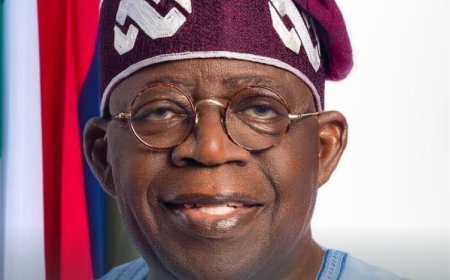
The event was grand. President Bola Ahmed Tinubu was represented by his Chief of Staff, Rt. Hon. Femi Gbajabiamila. The Ooni of Ife, His Imperial Majesty Oba Adeyeye Enitan Ogunwusi, Ojaja II, state governors, ministers, traditional rulers, and other distinguished Nigerians gathered in Makurdi to commemorate the milestone. The speeches were inspiring, the atmosphere festive, and the occasion befitting a golden jubilee.
However, beyond the celebrations, many citizens believe the anniversary also presented an opportunity for sober reflection on the state's development journey and the challenges that remain.
Anniversaries are not only occasions for celebration; they also provide an opportunity to assess progress, identify gaps, and renew commitment to a better future.
A golden jubilee offers the chance to showcase legacy projects, celebrate development milestones, and reassure citizens that the years ahead will bring greater prosperity and improved living conditions.
For many Benue people, the question remains: What should define the state's 50-year milestone?
Should it be measured by ceremonial celebrations alone, or by visible improvements in infrastructure, healthcare, education, agriculture, security, and economic opportunities?
Security remains one of the state's greatest concerns. Recurring attacks in several communities have displaced thousands of residents, disrupted farming activities, and affected livelihoods. As Nigeria's "Food Basket," Benue's agricultural potential can only be fully realised when farmers are able to work safely and communities enjoy lasting peace.
A farmer who cannot safely cultivate the land has little reason to celebrate.
A displaced family continues to hope for restoration.
Communities affected by violence continue to look to government for lasting solutions.
Ultimately, development is measured by the everyday experiences of citizens—whether schools function effectively, healthcare services are accessible, roads connect communities, businesses thrive, and people live in safety.
Another issue that continues to generate public discussion is the perception among some stakeholders that the Idoma people are not adequately represented in governance. Whether or not this perception fully reflects reality, it highlights the importance of inclusive leadership and equitable participation in public affairs.
A united Benue requires every community to feel recognised, valued, and represented.
The administration has also experienced political disagreements within the ruling party. While political differences are common in democratic governance, many citizens expect governance, service delivery, and development to remain the overriding priorities.
Ultimately, the expectations of the people are straightforward: improved security, stronger institutions, better infrastructure, quality education and healthcare, employment opportunities, and inclusive governance.
As Benue marks its Golden Jubilee, this milestone offers an opportunity not only to celebrate the state's rich history and resilient people but also to reflect on the work that still lies ahead.
The state's lasting legacy will not be defined solely by anniversary ceremonies or distinguished guests. It will be measured by peaceful communities, thriving farms, functional schools, modern hospitals, expanding industries, and citizens who have confidence in their future.
Ceremonies are memorable, but enduring development is what history celebrates.
As the activities marking Benue at 50 come to an end, the task of building a safer, more prosperous, and more inclusive state continues. The greatest tribute to the state's journey will be sustained efforts to address insecurity, strengthen the economy, deepen inclusion, and improve the quality of life for all its citizens.
Yemi Itodo is a journalist, public affairs analyst, and communications strategist. He writes on governance, democracy, public policy, and national development.
What's Your Reaction?
 Like
0
Like
0
 Dislike
0
Dislike
0
 Love
0
Love
0
 Funny
0
Funny
0
 Angry
0
Angry
0
 Sad
0
Sad
0
 Wow
0
Wow
0